
Sub-Total: $0.00
12 Tax Lien & Tax Deed Auction Websites

Tax lien and tax deed auctions can provide real estate investors with opportunities to research delinquent property taxes and properties offered through legally authorized tax-sale processes. Finding the right auction is only the first step. Before bidding, investors need to understand what is being sold, confirm the current auction rules, investigate the property, and determine whether the potential investment justifies the risks.
Tax sales are generally organized by counties, municipalities, or other authorized government entities. Some jurisdictions use third-party websites to conduct online auctions, while others publish notices through their own websites, accept bids in person, or use a different process.
This guide introduces 12 auction platforms and online sources to investigate, explains how to find official tax-sale information, and outlines the due diligence to complete before bidding.
Important: The platforms listed below are starting points for research, not a guarantee that a particular county currently uses that platform or has an active sale. Verify each auction through the responsible government agency before registering or bidding.
Learn more with our article Tax Lien Investing Strategy: How It Works, Risks, and Due Diligence.
Tax Lien Auctions vs. Tax Deed Auctions
Before searching for auction listings, understand the difference between the two types of investments.
Tax lien certificate sales
In a tax lien jurisdiction, an investor generally purchases a certificate or other legal interest associated with delinquent property taxes. The investor does not automatically acquire ownership of the property.
The investment’s rights, interest calculations, redemption period, enforcement process, and potential remedies depend on applicable state and local law. If the property owner pays the delinquent amount under the governing rules, the investor’s return is determined by the applicable terms—not by an automatic transfer of ownership.
Tax deed sales
In a tax deed jurisdiction, the auction may offer ownership of a property through a tax-sale process. The title transferred, prior interests that may remain, redemption rights, notice requirements, and post-sale procedures depend on the jurisdiction and specific sale.
A successful bid does not eliminate the need to investigate title, liens, occupancy, property condition, access, environmental concerns, or other restrictions.
Why the distinction matters
A tax lien investment and a tax deed purchase have different risk profiles, timelines, capital requirements, and exit strategies. Before registering for an auction, confirm exactly what is being sold and what legal rights the successful bidder receives.
Learn more with our article Tax Lien Investing for Beginners: Is It a Good Starting Point?
12 Tax Lien and Tax Deed Auction Sources to Research
The following websites appeared in the original InvestingTE directory. Use them as leads to identify potential auction providers, then verify current services, jurisdiction coverage, and scheduled sales.
1. RealAuction
Website: https://www.realauction.com/
RealAuction provides online auction technology used by certain public entities for tax-related sales and other government auctions.
What to verify: Find the relevant county or municipality’s official tax-sale page and confirm whether it currently directs bidders to RealAuction. Review registration requirements, deposit rules, sale dates, and the specific type of sale.
2. Xome
Website: https://www.xome.com/
Xome is an online real estate auction marketplace. Do not assume that every auction listing on the platform is a tax sale; listings may involve other types of real estate sales.
What to verify: Determine whether a specific listing is part of an authorized tax-sale process or another type of foreclosure or real estate auction. Confirm the legal authority conducting the sale and review the official terms before relying on the listing.
3. Bid4Assets
Website: https://www.bid4assets.com/
Bid4Assets hosts online auctions, including certain tax-defaulted property and other public-sector sales.
What to verify: Search for the relevant jurisdiction and confirm the auction type, parcel details, sale terms, bidder deposits, payment deadlines, and any additional buyer fees.
4. LGBS Tax Sales
Website: https://taxsales.lgbs.com/
This was included in the original directory as a source for certain tax-related property auctions.
What to verify: Confirm that the site is currently active for the jurisdiction you’re researching. Follow the county or authorized public agency’s official instructions and check the sale notice for the exact parcel and auction rules.
5. PBF Capital / PBF-related auction source
Original reference: PBFcm.com
The original article included this source for certain tax deed sales. Its current identity, website, and public auction coverage should be verified before it is recommended to readers.
What to verify: Confirm the current operator, official website, applicable jurisdictions, and whether the referenced auction service is still being used by the responsible county. Do not register or submit funds based solely on an outdated directory entry.
6. SRI / SRI Incorporated
Website: https://sriservices.com/
SRI has been associated with public-sector auction services. The specific type of auction and jurisdiction must be checked for each opportunity.
What to verify: Confirm the relevant county’s current tax-sale provider and review its official instructions, auction calendar, parcel list, registration rules, and payment terms.
7. GovEase
Website: https://www.govease.com/
GovEase provides online auction services, including certain public tax-sale auctions.
What to verify: Use the relevant county or public agency’s website to confirm the platform relationship, auction date, property list, bidder requirements, and sale conditions.
8. Connecticut Tax Sales
Original reference: CTTaxSales.com
The original article listed this source for Connecticut tax-related sales.
What to verify: Confirm the current website, participating municipalities, the legal entity conducting each sale, and the applicable Connecticut sale procedure. Do not assume that a listing represents the same rights or process as a tax lien certificate auction in another state.
9. TaxVA
Website: https://www.taxva.com/
The original directory included TaxVA as a source for certain Virginia tax-related property sales.
What to verify: Confirm current availability, the exact sale type, participating jurisdictions, and whether the auction is authorized by the responsible locality. Review official sale notices and applicable Virginia requirements.
10. New York City Department of Finance — Property Lien Sales
Official page: https://www.nyc.gov/site/finance/property/property-lien-sales.page
New York City publishes information about its property lien sale process through the Department of Finance.
What to verify: Review the city’s current notices, eligibility rules, deadlines, and terms. A property lien sale is not automatically equivalent to purchasing a tax deed or taking immediate ownership of a property.
11. CivicSource
Website: https://corporate.civicsource.com/
CivicSource has been associated with online public-sector tax-sale auctions in certain jurisdictions.
What to verify: Confirm the current participating government entity, sale type, parcel list, bidder eligibility, registration requirements, and applicable payment deadlines.
12. Parcel Fair
Website: https://www.parcelfair.com/
Parcel Fair was included in the original directory as a source associated with certain tax lien and tax deed auctions.
What to verify: Confirm that the platform is currently operating for the jurisdiction you are researching, and verify its role directly through the official tax collector, treasurer, sheriff, or other authorized public agency.
Note: The National Association of Counties is useful for locating county government websites. It is a starting point for research, not a substitute for the county’s official auction notice. Use it to get county level information.
How to Find Tax Lien and Tax Deed Auctions in Your Area
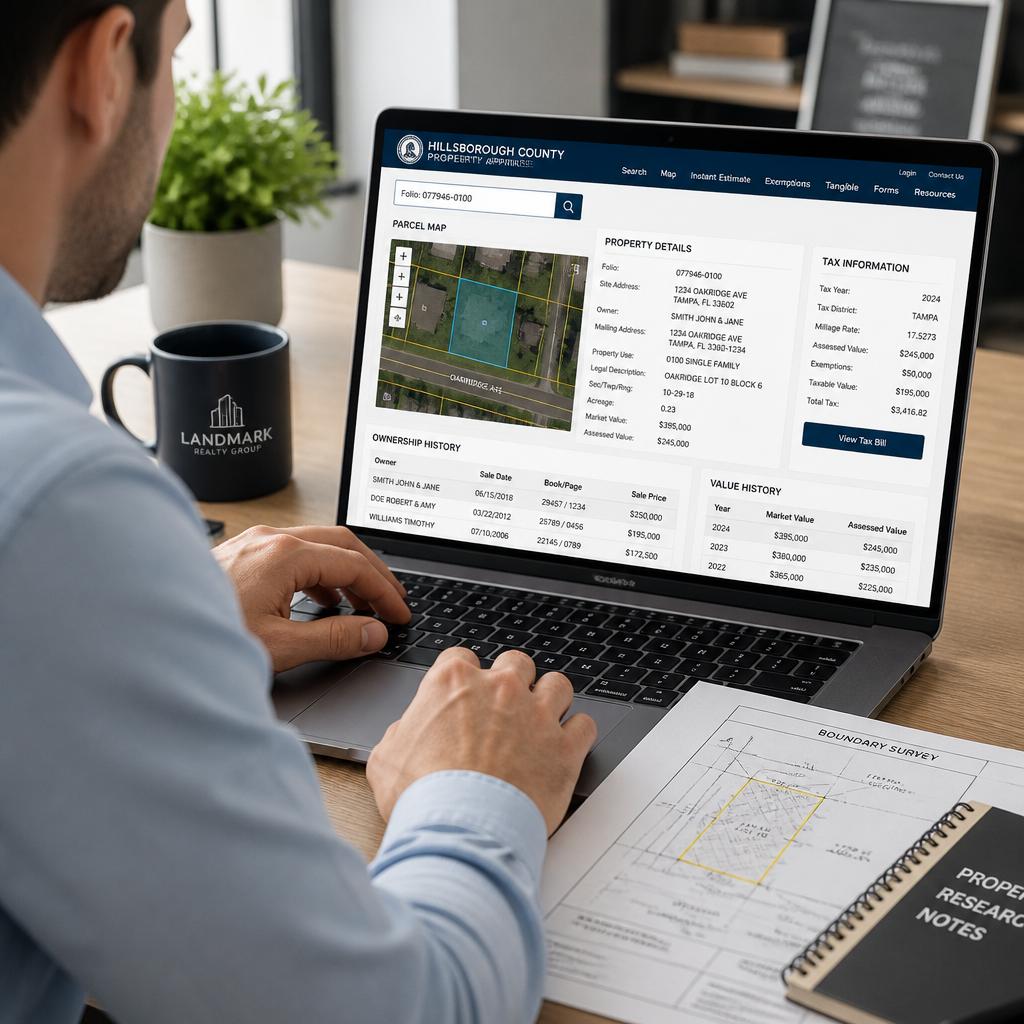
Third-party auction platforms are useful, but the most reliable starting point is generally the government office responsible for the tax sale.
Step 1: Identify the responsible county or municipality
Determine where the property is located and which government entity administers the sale. Depending on the state and local process, this may be the county treasurer, tax collector, sheriff, clerk, or another authorized office.
Step 2: Find the official tax-sale page
Search the responsible agency’s website for terms such as “tax sale,” “delinquent property taxes,” “tax lien certificate sale,” or “tax-defaulted property auction.”
If the county directs bidders to a third-party platform, use that link rather than assuming the platform listed in an old directory is still current.
Step 3: Confirm the sale type and legal process
Determine whether the sale involves a tax lien certificate, tax deed, redemption deed, judicial sale, or another legal process. These terms are not interchangeable.
Review the official notice, applicable law, sale conditions, redemption rights, and any required post-sale steps.
Step 4: Download or review the current parcel list
Record the parcel number, property address if available, delinquent tax amount, opening bid, auction date, and other available details.
Check for updated lists, withdrawn parcels, redeemed accounts, corrected notices, or changes to the auction schedule.
Step 5: Register through the authorized channel
Read the bidder instructions and confirm identity requirements, deposits, payment methods, fees, deadlines, and eligibility restrictions. Understand when deposits are refundable and when winning bids become binding.
Step 6: Complete property-level due diligence
Investigate the property’s legal description, ownership and title history, recorded interests, access, occupancy, zoning, condition, environmental risks, and realistic market value. Determine which interests may survive the sale and what additional legal procedures may be necessary.
Step 7: Establish a maximum bid
Estimate the total investment cost, including the bid, taxes, fees, legal and title work, repairs, carrying costs, and potential delays. Set a maximum bid before the auction and avoid exceeding it because of competitive bidding.
Explore real estate investment calculators to support your research.
Due Diligence Before Bidding on a Tax Sale
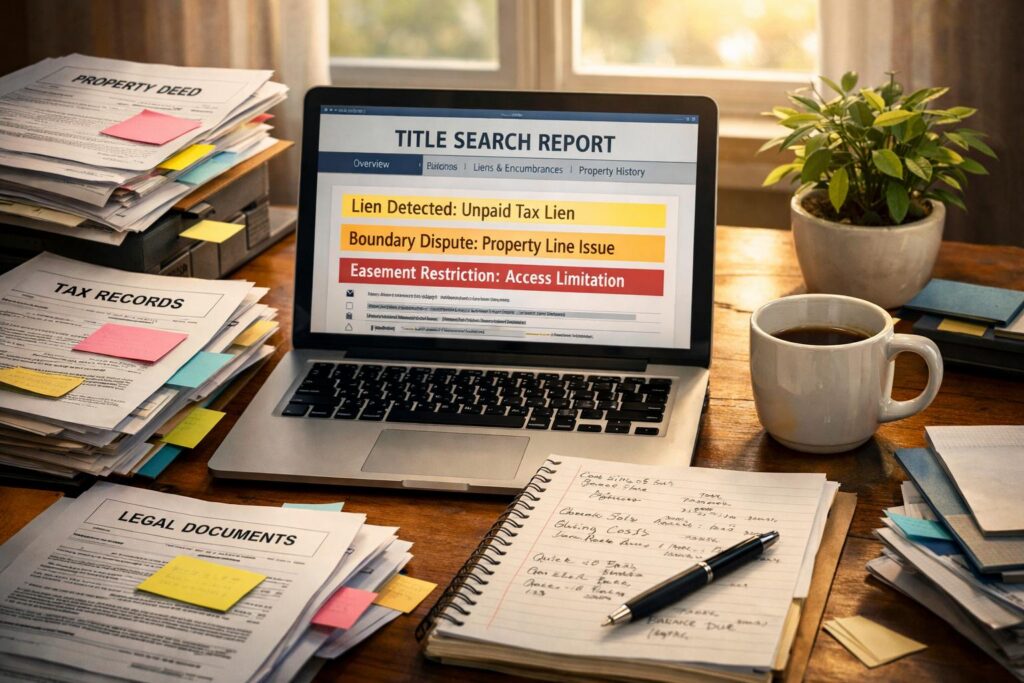
A tax-sale listing is not a substitute for property research. Before committing funds, consider the following.
Confirm the parcel identity. Verify the parcel number and legal description against official property and assessor records. An address alone may not be sufficient to identify the correct property.
Investigate title and legal interests. Review recorded documents and seek qualified legal advice where necessary. Do not assume that a tax sale removes every mortgage, lien, restriction, or other interest.
Check occupancy and access. Determine whether the property is occupied, whether physical inspection is possible, and whether access rights are clear. Do not enter a property without lawful authorization.
Estimate condition and repair costs. If the interior cannot be inspected, allow for uncertainty and substantial contingencies. A low opening bid does not necessarily indicate a low total cost.
Verify zoning and use restrictions. Confirm permitted uses, buildability, legal access, utilities, setbacks, and any applicable restrictions.
Review environmental and flood risks. Research potential contamination, flood exposure, drainage, and other property-specific risks.
Calculate the total acquisition cost. Include the bid amount, buyer premiums, deposits, taxes, title work, legal fees, repairs, insurance, carrying costs, and any required redemption or post-sale procedures.
Understand the exit strategy. Decide whether the intended outcome is collecting a permitted lien return, pursuing a legally available remedy, holding the property, renovating it, or reselling it. Confirm that the strategy is legally and financially feasible.
Learn more with our article How to Analyze a Rental Property.
Common Tax Sale Investing Mistakes
Assuming a tax lien means ownership
A lien certificate generally does not give the purchaser immediate ownership. Understand the specific rights acquired under the relevant jurisdiction’s laws.
Relying on an outdated auction list
A third-party listing may be stale, withdrawn, redeemed, or superseded by a new notice. Confirm the parcel and sale status with the responsible public agency.
Assuming the auction removes all other liens
The legal effect of a tax sale varies. Investigate title and applicable law rather than relying on a platform description.
Bidding based only on the opening price
A low opening bid can be misleading if repairs, legal work, title issues, taxes, or other costs are substantial.
Ignoring redemption periods and deadlines
Some jurisdictions provide redemption rights or require specific procedures after a sale. Missing a deadline or misunderstanding the process can materially affect the investment.
Treating advertised returns as guaranteed
Interest rates, redemption terms, bidding premiums, expenses, and the likelihood of recovering the invested amount vary. No advertised rate guarantees a particular realized return.
Frequently Asked Questions
Where can I find tax lien properties for sale?
Start with the official website of the county or municipality responsible for the property-tax sale. The agency may publish a delinquent parcel list or direct bidders to an authorized auction platform.
Are tax lien and tax deed auctions the same?
No. A tax lien sale generally involves acquiring a certificate or legal interest associated with delinquent taxes. A tax deed sale may offer ownership through a tax-sale process. The rights and procedures depend on the jurisdiction.
Are online tax auction websites legitimate?
Some platforms provide legitimate auction services, but investors should verify the specific sale through the responsible government agency. Confirm the domain, auction authorization, parcel details, payment instructions, and official terms before submitting funds.
Can I buy a property by paying its delinquent taxes?
Not necessarily. Paying delinquent taxes outside an authorized sale does not automatically transfer ownership. Follow the legally established process for the relevant jurisdiction.
What should I research before bidding?
Verify the parcel and sale status, legal description, title and other interests, occupancy, condition, zoning, access, taxes, insurance, applicable redemption rights, auction fees, and payment deadlines. Obtain qualified professional advice when legal or title questions arise.
Can tax lien or tax deed investing guarantee a high return?
No. Results depend on the jurisdiction, bidding terms, legal rights, property condition, costs, timing, and other risks. Investors can lose money, and a high advertised rate does not guarantee a profitable outcome.
Final Thoughts: Verify the Auction Before You Invest
Tax lien and tax deed auction platforms can help investors discover opportunities, but the platform is only the starting point. Confirm the sale through the responsible government agency, understand exactly what is being sold, and complete the necessary legal, property, and financial research before bidding.
The most important step is to establish whether the investment makes sense under realistic assumptions. A disciplined process helps you avoid stale listings, misunderstandings about ownership, and bids that fail to account for the full cost of the investment.

For more education on evaluating potential real estate investments, explore InvestingTE’s real estate investing resources and calculators.
FREE Deal Analysis for Rental Property Calculator!
Our mission is to help others develop using our tools and educational information.
Explore our tools, education and services.