
Sub-Total: $0.00
First-Time Home Buyer Guide: 12 Steps to Buying Your First Home

Buying your first home is a major financial decision. Before you start touring properties, it helps to understand your budget, review your credit, explore mortgage options, and prepare for the costs of homeownership.
This first-time home buyer guide walks you through 12 practical steps, from evaluating your financial readiness to getting mortgage preapproval, comparing properties, completing inspections, and preparing for closing.
You will also learn how to estimate your home-buying budget, research down payment assistance programs, and make informed decisions about the property you choose.
Start here: Review your finances, estimate what you can comfortably afford, and identify the steps you need to complete before making an offer. You do not need to have every detail figured out today. The goal is to prepare one step at a time.
Important: Mortgage eligibility, down payment requirements, assistance programs, and closing costs vary by lender, loan type, location, and individual circumstances. Use this guide for general education and confirm your specific requirements with qualified professionals.
The 12 Steps to Buying Your First Home
Step 1: Evaluate Your Financial Readiness
Before shopping for a home, review your income, monthly expenses, outstanding debt, savings, and financial goals. Consider whether your income is sufficient to support the costs of owning a home while leaving room for emergencies and other priorities.
Think about how long you expect to live in the area, whether your income is reasonably predictable, and whether you have enough savings for upfront expenses. Buying a home is a significant commitment, so make sure the decision fits your broader financial circumstances.
Step 2: Review Your Credit and Financial Records
Check your credit reports for inaccurate information, review your outstanding balances, and identify any issues that may need attention before applying for a mortgage.
Lenders consider multiple factors when evaluating a mortgage application, including credit history, income, assets, debts, and the proposed property. The minimum credit requirements and underwriting standards depend on the loan program and lender.
You can obtain your credit reports through AnnualCreditReport.com. Review any errors and follow the appropriate dispute process if necessary.
Step 3: Determine How Much Home You Can Afford
The amount a lender may approve is not necessarily the amount you should spend. Develop a realistic budget based on your monthly income, existing debt, savings, and anticipated housing expenses.
Consider the principal and interest on your mortgage, property taxes, homeowners insurance, applicable mortgage insurance, homeowners association fees, utilities, and maintenance. Also account for upfront costs such as the down payment, closing expenses, moving, and immediate repairs.
Use the InvestingTE Home Buying Calculator to compare purchase-price and financing scenarios. Treat the results as estimates, and verify the assumptions with a mortgage lender.
Step 4: Research Mortgage Options and Assistance Programs
Learn about the mortgage options for which you may qualify. Depending on your circumstances, these may include conventional mortgages and government-backed loan programs such as FHA, VA, or USDA loans.
Compare the eligibility criteria, down payment requirements, mortgage insurance, interest rates, fees, and other conditions. Government-backed programs do not all have the same requirements, and eligibility depends on the specific loan and borrower.
Also investigate state and local down payment assistance programs. Some offer grants, forgivable loans, deferred-payment loans, or other assistance to eligible buyers.
Use our First-Time Home Buyer Resources by State guide to find official housing agency websites and research assistance programs. Confirm current funding and eligibility requirements directly with each program administrator or a participating lender.
Step 5: Prepare Your Documents and Speak With Mortgage Lenders
Gather the financial information lenders may request, such as income documentation, employment history, bank statements, debt information, and identification.
Speak with more than one lender when practical. Ask about available loan programs, interest rates, lender fees, estimated cash needed at closing, and the expected monthly payment.
Compare the overall terms rather than focusing only on the advertised interest rate. A loan with a lower rate may involve different fees or other conditions.
Step 6: Understand Pre-Qualification and Mortgage Preapproval
Pre-qualification may provide an initial estimate of borrowing capacity based on information you provide. The process varies among lenders.
Mortgage preapproval generally involves a more detailed review of your financial information and may help you understand your purchasing range before making an offer. The process and documentation requirements vary by lender.
Neither pre-qualification nor preapproval guarantees final loan approval. Your financing remains subject to the lender’s underwriting requirements, verification of information, and property-related conditions.
Ask your lender what documentation is required, how long the preapproval remains valid, and which actions could affect your application.
Step 7: Choose Your Location and Property Priorities
Identify the areas where you would like to live and compare them based on your needs, budget, commute, transportation, schools if relevant, access to services, and long-term plans.

Create a list of essential property features and preferences. You may need to compromise on certain features to stay within your budget.
Research property taxes, homeowners insurance costs, potential association fees, local restrictions, and the condition of homes in your target areas. These expenses can differ considerably between properties, even when their purchase prices are similar.
Step 8: Choose a Qualified Real Estate Professional
Consider interviewing real estate professionals who understand the local market and have experience helping buyers navigate the purchasing process.
Ask about their experience, communication style, approach to evaluating comparable properties, offer strategy, and how they coordinate with lenders, inspectors, and other transaction professionals.
Discuss representation, compensation, and the terms of any buyer agreement before signing. Requirements and practices can vary by jurisdiction and transaction.
A qualified professional can help you evaluate available properties, understand market conditions, prepare an offer, and manage important transaction deadlines.
Step 9: Compare Homes and Evaluate Their Condition
Once you understand your budget and priorities, begin comparing properties. Look beyond the asking price to consider location, property condition, potential repairs, taxes, insurance, and expected maintenance.
Review comparable sales and other relevant market information before deciding what a property may be worth. If a home needs improvements, estimate the costs and determine whether the project is financially realistic.
Avoid making a decision based solely on cosmetic features or competition from other buyers. The goal is to find a home that fits your needs and budget.
Step 10: Make an Offer and Understand the Contract
When you find a suitable property, work with your real estate professional to prepare an offer that reflects your budget, market conditions, and transaction priorities.
Review the purchase price, deposit requirements, proposed closing date, financing provisions, inspection provisions, and other contract terms. Understand which contingencies or protections are included and the deadlines associated with them.
Your offer may be accepted, rejected, or met with a counteroffer. Do not assume that an accepted offer guarantees that financing and closing will proceed without additional requirements.
Consult a qualified attorney when appropriate for your jurisdiction, transaction, or specific legal concerns.
Step 11: Complete the Inspection, Appraisal, and Mortgage Underwriting
After your offer is accepted, follow the contract deadlines and your lender’s instructions.
Arrange a professional home inspection and review the findings carefully. Depending on the property, additional evaluations may be appropriate. Understand the difference between an inspection, which evaluates the property’s condition, and an appraisal, which helps the lender assess the property’s value.
Respond promptly to lender requests for documentation. Your lender may need to verify income, assets, debts, insurance, and other information before issuing final approval.
Avoid taking on new debt or making major financial changes without discussing the potential effect with your lender. Continue to monitor the transaction deadlines and any outstanding conditions.
Step 12: Review Closing Documents and Complete the Purchase
Before closing, review your Closing Disclosure, loan terms, closing costs, and the amount of money you must bring to settlement. Compare the final figures with your earlier Loan Estimate and ask your lender or settlement agent about any unexpected changes.

Arrange homeowners insurance, confirm the transfer of funds using independently verified contact information, and review the required documents before signing. Be alert for wire fraud and last-minute payment instruction changes.
After the transaction is completed, organize your mortgage documents, confirm your first payment date, update your address, and establish a budget for ongoing maintenance and repairs.
Congratulations on reaching this milestone. Preparing carefully throughout the process can help you make more informed decisions as you become a homeowner.
How Much Money Do You Need to Buy Your First Home?
The amount you need depends on the home’s purchase price, your mortgage program, your down payment, the closing costs, and any assistance for which you qualify.
Your initial budget should account for several categories:
- Down payment: The amount you contribute toward the purchase price rather than borrow.
- Closing costs: Expenses associated with obtaining the mortgage and completing the transaction, including applicable lender charges, appraisal fees, title services, government fees, and prepaid expenses.
- Inspections and moving: Costs associated with evaluating the property and moving into your new home.
- Recurring housing expenses: Mortgage principal and interest, property taxes, homeowners insurance, applicable mortgage insurance, and association fees.
- Maintenance and reserves: Funds for repairs, unexpected expenses, and ongoing homeownership costs.
Do not assume that the down payment is the only cash you need. Closing costs and prepaid expenses can add substantially to your upfront requirements, while maintenance and repairs can affect your finances after moving in.
To build a more realistic plan, estimate your upfront cash requirements and monthly housing expenses separately. Then compare those estimates with your available savings and ongoing budget.
The Consumer Financial Protection Bureau’s mortgage cost guide explains common mortgage and homeownership expenses.
First-Time Home Buyer Checklist
Before making an offer, use this checklist to see whether you have addressed the major parts of your preparation.
- Review your credit reports and correct any errors.
- Evaluate your income, debt, savings, and monthly expenses.
- Estimate your comfortable purchase price and total monthly housing costs.
- Calculate your estimated down payment and closing expenses.
- Research mortgage programs and first-time home buyer assistance.
- Compare lenders and understand preapproval requirements.
- Identify preferred locations and property priorities.
- Interview real estate professionals and understand representation terms.
- Review properties and investigate their condition and potential maintenance costs.
- Understand the offer, contract terms, contingencies, and deadlines.
- Complete required inspections and lender underwriting.
- Review closing documents and verify final payment instructions.
You do not need to complete every item before starting your research. Use the checklist to identify what you have already accomplished and what needs attention before you commit to a purchase.
Plan Your First Home Purchase With a Home Buying Calculator
Understanding the home-buying process is only one part of preparing to purchase a property. You also need to evaluate how different purchase prices, financing assumptions, and housing expenses may affect your budget.
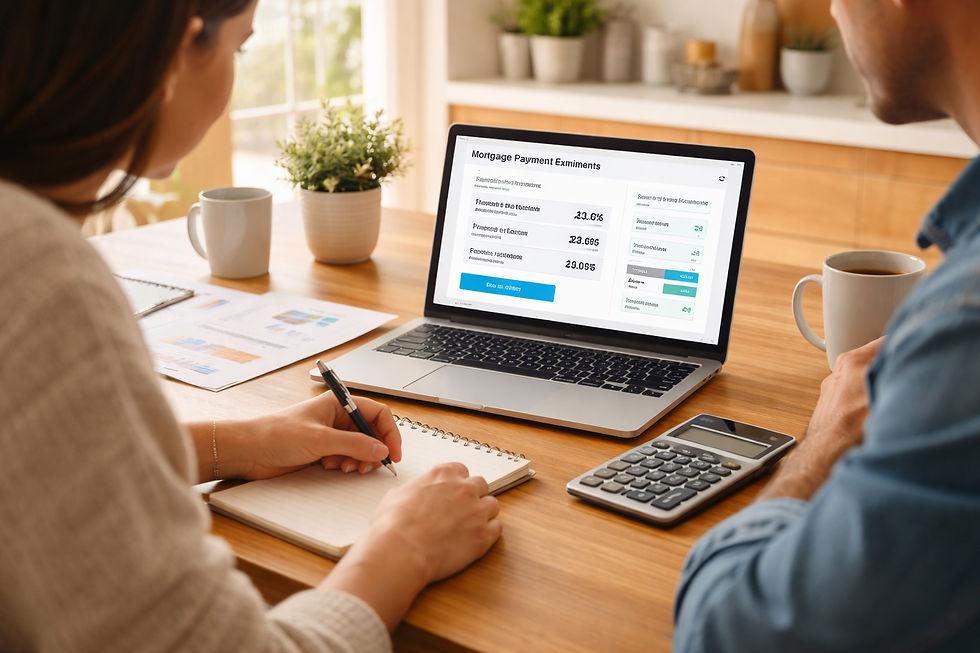
The InvestingTE Home Buying Calculator can help you evaluate home-buying scenarios using the inputs available in the tool. Use it as part of your preparation to compare alternatives and organize your financial assumptions before speaking with a lender.
When reviewing your results, consider:
- How different purchase prices affect your estimated cash requirements.
- How loan amount and interest rate assumptions affect your estimated payment.
- Whether taxes, insurance, mortgage insurance, and other applicable expenses are included.
- How the proposed purchase fits with your savings, debt obligations, and other financial goals.
Calculator results are estimates, not a mortgage approval or a guarantee of actual costs. Confirm your loan terms and property expenses with the appropriate professionals.
Ready to evaluate your numbers? Explore the InvestingTE Home Buying Calculator and use it to organize your next steps toward homeownership.
To help your planning process, explore our free Financial Planning Calculator.
Trusted First-Time Home Buyer Resources
Use these resources to research mortgage financing, understand your rights, and prepare for the purchase process.
- Consumer Financial Protection Bureau: Buying a House — A step-by-step resource for preparing to shop, exploring loan options, comparing mortgage offers, and getting ready to close.
- HUD: Buying a Home — Information about affordability, home-buying programs, mortgage options, inspections, and closing.
- AnnualCreditReport.com — The official website for requesting credit reports from the nationwide consumer reporting companies.
- First-Time Home Buyer Resources by State — Our state-by-state directory for finding official housing agency websites and researching potential down payment assistance programs.
Program requirements, mortgage eligibility, and assistance availability vary. Use official agency information and consult a participating lender or qualified housing counselor when evaluating your options.
First-Time Home Buyer Guide: Frequently Asked Questions
What is the first step when buying a home for the first time?
Start by reviewing your income, debt, savings, credit history, and monthly expenses. Estimate how much you can comfortably afford before comparing properties or applying for a mortgage.
How much money do I need to buy my first home?
The amount depends on the purchase price, mortgage program, down payment, closing costs, and your personal circumstances. Budget for upfront expenses as well as ongoing housing costs and emergency savings. Some eligible buyers may qualify for assistance.
What credit score do I need to buy my first home?
There is no single credit score requirement for every mortgage. Minimum standards depend on the loan program, lender, and other underwriting factors. Ask lenders about the options available for your circumstances.
Should I get prequalified or preapproved before looking at homes?
Speaking with a lender early can help you understand your potential financing options. Pre-qualification and preapproval differ by lender, and neither guarantees final mortgage approval. Ask what information is reviewed and what conditions remain before a loan can be finalized.
What expenses should I consider besides the mortgage payment?
Consider property taxes, homeowners insurance, applicable mortgage insurance, association fees, utilities, maintenance, repairs, and other household expenses. You should also budget for closing costs, moving, and initial purchases needed for the property.
Can first-time home buyers get down payment assistance?
Some state and local programs offer assistance to eligible buyers. Support may take the form of grants, forgivable loans, deferred-payment loans, or other financing arrangements. Eligibility, repayment requirements, funding availability, and homebuyer education requirements vary by program.
Do I need a real estate agent to buy my first home?
A buyer’s real estate professional can help you evaluate properties, understand local market conditions, prepare an offer, and navigate transaction deadlines. Representation requirements and agreements vary, so understand the scope of services and compensation terms before signing an agreement.
What happens after my offer is accepted?
The transaction typically proceeds through inspections, appraisal where required, mortgage underwriting, insurance arrangements, and closing preparation. The specific sequence and deadlines depend on the contract, lender, and local practices. Review your closing documents and verify payment instructions before sending funds.
FREE Deal Analysis for Rental Property Calculator!
Our mission is to help others develop using our tools and educational information.
Explore our tools, education and services.